Sliding Fee Discount Program Available

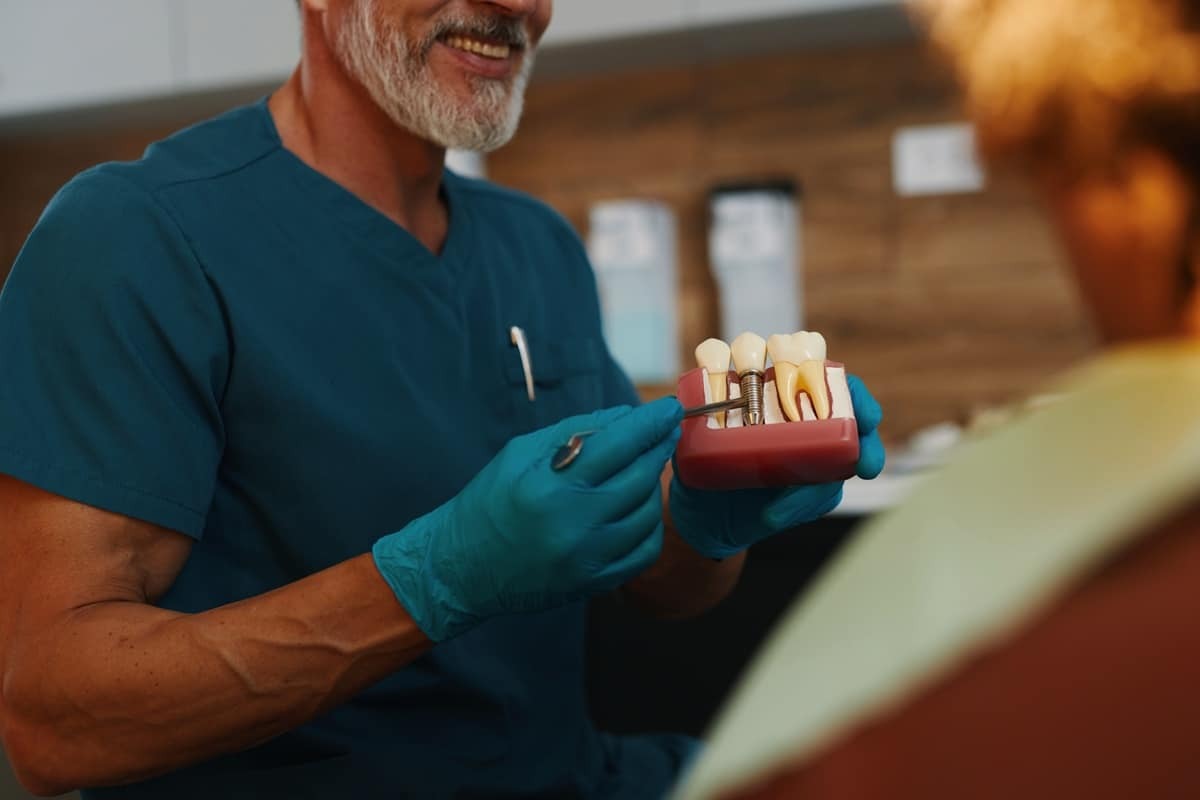
Missing teeth can affect more than your appearance. They can change the way you eat, speak, and smile with confidence. If you’ve been living with a missing tooth or struggling with uncomfortable dentures, you may be wondering whether dental implants are the right solution.
The good news is that many adults are eligible for this long-lasting tooth replacement option. Thanks to advances in modern dentistry, more patients than ever can benefit from implant treatment with proper planning and care.
At Dr Jason R Long, DDS, PLLC, every treatment plan begins with a detailed evaluation because every smile is unique. Schedule a consultation with us, and receive a personalized evaluation to explore the best tooth replacement options for your smile..
Why Dental Implants Are So Popular
Unlike bridges or removable dentures, dental implants replace both the visible tooth and its root. The implant fuses with the jawbone, creating a stable foundation for a custom crown that looks and functions like a natural tooth.
Patients often choose implants because they:
- Look and feel like natural teeth
- Help preserve jawbone health
- Prevent neighboring teeth from shifting
- Improve chewing ability
- Can last for decades with proper care
Although dental implants are an excellent solution, they’re not automatically right for everyone. Here are ten signs that you may be an ideal candidate.
1. You’re Missing One or More Teeth
Whether you’ve lost a tooth because of injury, decay, or gum disease, implants are designed to replace missing teeth without affecting healthy neighboring teeth.
Even replacing one missing tooth can improve your bite and reduce future dental complications.
2. Your Gums Are Generally Healthy
Healthy gums provide the support needed for successful implant treatment.
If you have gum disease, don’t worry—it doesn’t necessarily rule out implants. Many patients simply need periodontal treatment before moving forward.
Your dentist will evaluate gum health during your consultation.
3. You Have Enough Jawbone Support
Dental implants rely on adequate bone to hold the implant securely.
If you’ve recently lost a tooth, your jawbone may still have enough volume. Even if some bone loss has occurred, procedures like bone grafting may make implants possible.
Modern imaging allows your dental team to accurately assess bone density before treatment.
4. You’re Tired of Loose Dentures
Many denture wearers become frustrated with slipping, clicking, or discomfort while eating.
Implants can stabilize dentures or replace them entirely, making meals and conversations much more comfortable.
Patients often say this improvement dramatically increases their quality of life.
5. You’re in Good Overall Health
Most healthy adults can receive dental implants safely.
Conditions like diabetes don’t automatically prevent treatment, especially when well managed. Your dentist will review your medical history to ensure the safest treatment approach.
6. You Don’t Smoke—or You’re Willing to Quit
Smoking slows healing and increases the risk of implant failure.
If you’re willing to stop smoking before and after surgery, your chances of long-term success improve significantly.
Your dentist can discuss how tobacco use affects implant healing and provide recommendations.
7. You Practice Good Oral Hygiene
Dental implants still require daily brushing, flossing, and regular dental visits.
Patients who already maintain healthy habits often experience excellent long-term implant success.
Keeping the surrounding gums healthy is just as important as protecting natural teeth.
8. You Want a Long-Term Solution
Unlike some temporary tooth replacement options, implants are designed for durability.
While crowns may eventually require replacement, the implant itself can often last for many years when properly maintained.
If you’re looking for a solution that offers stability and longevity, implants are worth considering.
9. You Want to Protect Your Jawbone
When a tooth is lost, the jawbone underneath no longer receives stimulation from chewing.
Over time, this can lead to bone shrinkage and changes in facial appearance.
Dental implants help stimulate the jawbone similarly to natural tooth roots, helping preserve bone structure.
10. You’re Ready to Invest in Your Smile
Dental implants require planning and several treatment stages, but many patients believe the long-term benefits outweigh the initial commitment.
If you’re looking for improved function, appearance, and confidence, implants may provide lasting value.
What Happens During an Implant Consultation?
Your first appointment typically includes:
- Comprehensive dental examination
- Digital X-rays or 3D imaging
- Review of your medical history
- Evaluation of gum health
- Assessment of bone quality
- Discussion of treatment options and timeline
This consultation helps determine whether implants are the best solution or whether another restorative treatment would better fit your needs.
Local Care Makes a Difference
Choosing a dental practice close to home makes follow-up appointments much easier. Whether you live in Williamson or nearby communities throughout Mingo County, having a trusted dental team nearby means less travel and more convenience during each stage of treatment.
Local patients also appreciate personalized care from a practice that understands the needs of families in the area and builds long-term relationships with every patient.
Tips for Keeping Your Dental Implants Healthy
Once your implant is placed, good habits will help protect your investment.
- Brush twice daily.
- Floss around the implant every day.
- Attend routine dental checkups.
- Avoid chewing ice or hard objects.
- Wear a nightguard if you grind your teeth.
- Stop smoking to promote healthy gums.
- Report any discomfort promptly.
Consistent maintenance is one of the biggest factors in long-term implant success.
Restore Your Smile with Confidence
Living with missing teeth doesn’t have to become your new normal. If several of these signs sound familiar, it may be time to explore whether implant treatment is right for you.
At Dr Jason R Long, DDS, PLLC, every patient receives personalized care, advanced diagnostic imaging, and a treatment plan tailored to their individual needs. If you’re considering Dental Implant in Williamson, schedule a consultation today and discover how dental implants can help you eat comfortably, smile confidently, and enjoy lasting oral health.
Frequently Asked Questions
Are dental implants painful?
Most patients report less discomfort than expected. Local anesthesia keeps the procedure comfortable, and mild soreness afterward is usually manageable with recommended medications.
How long does implant treatment take?
Treatment varies depending on healing and whether additional procedures like bone grafting are needed. Many cases are completed over several months to allow proper healing.
Can older adults receive implants?
Absolutely. Age alone isn’t a limiting factor. Overall health and bone condition are much more important than age.
What if I’ve been missing a tooth for years?
You may still qualify for implants. Even if bone loss has occurred, additional treatments may help prepare the area for implant placement.
Are implants difficult to care for?
No. Caring for implants is very similar to caring for natural teeth through daily brushing, flossing, and regular professional cleanings.