Sliding Fee Discount Program Available

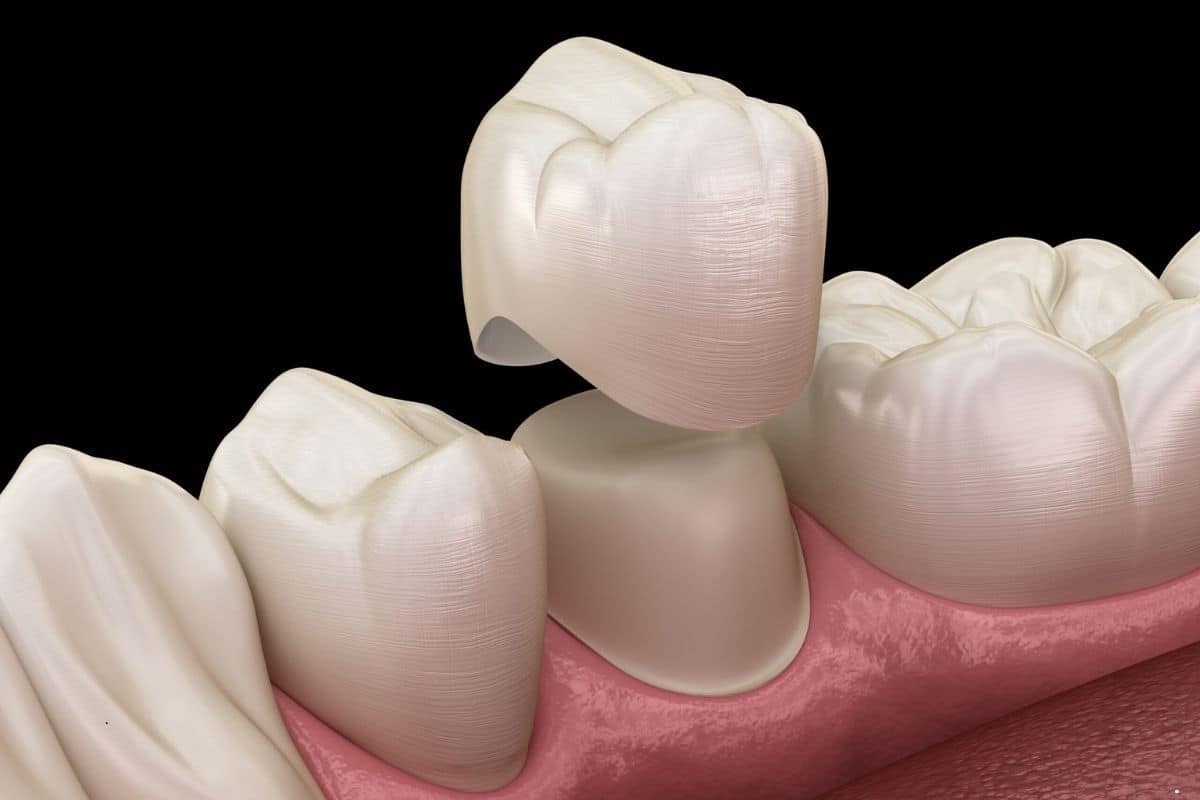
You bite into a piece of caramel corn at your granddaughter’s birthday party and feel something shift in the back of your mouth. If you have a dental crown, that small pop can set off a big worry: is it still doing its job, or is it finally time to have it looked at? For patients across Williamson, WV, that question comes up more often than you might think and the answer isn’t the same for every smile.
So how long do dental crowns last, exactly? On average, a well-placed crown holds up for 5 to 15 years, sometimes longer, depending on the material, your bite, and how you care for it day to day. Below, we’ll walk through what actually determines a crown’s lifespan, the warning signs that yours may be wearing out, and what to do next if something feels off.
Why Crown Lifespan Isn’t a One-Size-Fits-All Number
No two mouths wear a crown the same way. A patient who grinds their teeth at night puts far more pressure on a restoration than someone with a gentle bite. Diet, oral hygiene, and even the position of the crowned tooth in your mouth all play a role. That’s part of why the range you see online, anywhere from 5 to 20 years – can feel confusing. The real answer depends on your specific situation, which is exactly why a periodic check-up matters more than a generic timeline.
How Long Do Dental Crowns Actually Last?
A dental crown typically lasts between 5 and 15 years, depending on the material used, your bite pattern, and how consistently you brush, floss, and attend check-ups. Porcelain and ceramic crowns generally hold up for 10 to 15 years with good hygiene, while gold or metal alloy crowns can last 20 years or more under normal daily wear.
| Crown Material | Average Lifespan | Best For |
| Porcelain-fused-to-metal | 10–15 years | Back teeth, everyday durability |
| All-ceramic / zirconia | 10–15 years | Front teeth, natural appearance |
| Gold or metal alloy | 15–20+ years | Molars, heavy bite force |
| Composite resin | 5–7 years | Short-term or budget restoration |
| Did You Know? Nighttime teeth grinding, known as bruxism, can cut a crown’s lifespan in half. Even a well-fitted crown can wear down years ahead of schedule without the protection of a nightguard. |
7 Signs Your Dental Crown May Need Replacement
If you notice any of the following, it’s worth having your crown evaluated before the problem grows into something bigger:
- Sharp or lingering sensitivity to hot or cold near the crowned tooth
- Visible chips, cracks, or a rough, uneven edge you can feel with your tongue
- A loose or wobbly feeling when you bite down or chew
- A dark line or gum recession forming at the base of the crown
- Persistent bad breath or an odd taste that won’t go away, even with brushing
- Swelling, tenderness, or bleeding in the gum tissue around the crown
- The crown itself cracks, loosens, or falls out completely
What Happens If You Wait?
It’s tempting to put off a dental visit when a crown just feels “a little off.” But a cracked or loose crown leaves the tooth underneath exposed to bacteria, and small problems like sensitivity or a hairline crack can turn into decay, infection, or a lost tooth if left unaddressed. Catching the signs early almost always means a simpler, faster, and more comfortable fix — often a replacement crown rather than a root canal or extraction.
Regular dental visits can also help identify crown wear, gum problems, and other concerns before they become more serious. Learn why routine dental visits are important for everyone in the family in our guide, “Why Regular Dental Checkups Matter for Every Member of the Family.”
Restorative Options When a Crown Fails
Depending on what we find, treatment might involve re-cementing a crown that’s still in good shape, or replacing it entirely with a new, precisely fitted restoration. If decay has developed underneath, that needs to be treated first so the new crown has a healthy foundation to sit on.
Trusted Crown Care Right Here in Williamson, WV
Patients from Williamson and the surrounding Tug Valley communities — including South Williamson, Delbarton, and Kermit — trust Dr. Jason R. Long, DDS, PLLC for restorative dental care that’s built to last. Because we see crown wear and breakage regularly in our own patient base, we know what to look for early, before a small crack becomes an emergency.
⭐⭐⭐⭐⭐ Rebekah Maynard
Amazing office very friendly and clean, the staff is the absolute best. I will forever be grateful for my smile.
| Notice One of These Signs? Don’t Wait for It to Get Worse. Schedule a crown evaluation with Dr. Jason Long in Williamson, WV today — most concerns are far simpler to fix when caught early. Call us to book your visit now! |
What To Do If You Notice These Signs
- Call our Williamson office within 24–48 hours of noticing a problem
- Avoid chewing on the affected side until it’s been evaluated
- Rinse gently with warm salt water if the gum tissue feels irritated
- Do not try to re-cement or repair the crown yourself
- If the crown falls out, save it and bring it to your appointment
| Protect Your Smile Before a Small Crack Becomes a Bigger Problem Dr. Jason R. Long, DDS, PLLC is here to help Williamson-area patients keep their crowns — and their confidence — in great shape for years to come. Request an appointment now! |
Frequently Asked Questions
1. How long do dental crowns last on average?
Most dental crowns last between 5 and 15 years, with porcelain and ceramic crowns often reaching the higher end of that range when cared for properly.
2. Can a dental crown last 20 years?
Yes. Gold and metal alloy crowns, in particular, can last 20 years or longer, especially on back molars that benefit from their strength and durability.
3. What are the first signs a crown is failing?
Sensitivity to hot or cold, a rough edge you can feel with your tongue, or a slightly loose feeling when biting down are usually the earliest signs something needs attention.
4. Does insurance cover crown replacement?
Many dental insurance plans cover a portion of crown replacement, especially when the original crown is several years old or has failed due to decay or damage. Our team can help verify your specific benefits.
5. Is it painful to replace a dental crown?
Replacing a crown is typically no more uncomfortable than getting the original one placed. Local anesthesia keeps the area numb, and most patients describe the visit as straightforward.
6. Can I prevent my crown from wearing out early?
Wearing a nightguard if you grind your teeth, avoiding chewing ice or hard candy, and keeping up with routine cleanings can all help extend a crown’s lifespan.
7. What happens if I ignore a cracked crown?
A cracked crown can expose the tooth underneath to bacteria, potentially leading to decay, infection, or eventually the need for a root canal or extraction if left untreated.
8. How much does it cost to replace a dental crown?
The cost varies based on the material chosen and whether any additional treatment is needed underneath the crown. Our office can provide a personalized estimate during your evaluation.
