Sliding Fee Discount Program Available

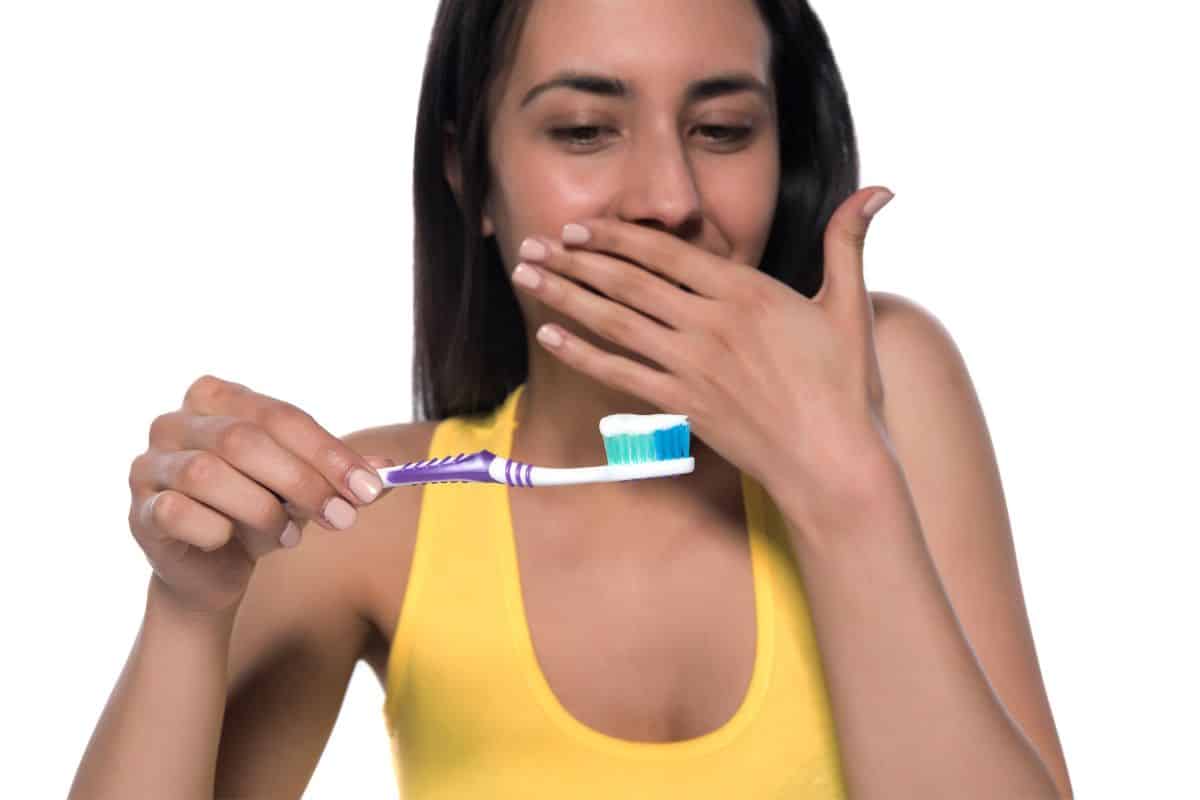
You brushed. You flossed. You even swished with mouthwash and tucked a mint in your cheek for good measure. Then you lean in to talk with someone and catch that smell again.
If you deal with bad breath after brushing, you are not doing it wrong, and you are far from alone. Maybe you have also stuck out your tongue in the mirror and spotted a white or yellow film that never goes away. That film is a clue. It is just one of several.
The good news? A dentist can usually find and fix the cause. Below, we cover the hidden reasons your breath will not stay fresh and what actually helps. It is the same advice we share with neighbors across Williamson, Matewan, Kermit, and the rest of Mingo County.
Why Bad Breath After Brushing Happens
Bad breath after brushing usually means odor-causing bacteria are still living somewhere your toothbrush does not reach. Common hiding spots include the back of the tongue, pockets under the gums, spaces between teeth, and the tonsils. Dry mouth, certain foods, and a few health conditions can also keep the smell coming back.
Dental professionals call ongoing bad breath halitosis. Most halitosis causes trace back to bacteria that release smelly sulfur gases as they break down proteins. A toothbrush cannot reach every place those bacteria hide, which is why a dental professional can help identify the underlying cause when bad breath keeps returning.
7 Hidden Causes of Chronic Bad Breath
1. The Film on Your Tongue
The back of your tongue is rough, with tiny grooves. Bacteria, dead cells, and food bits settle in and form a white, yellow, or light brown coating. It is one of the most common sources of odor, and brushing your teeth alone skips it.
2. Gum Disease Below the Gumline
Plaque that stays behind hardens into tartar. Tartar irritates the gums, and they can pull away from the teeth. That leaves small pockets where bacteria thrive. Watch for gums that bleed when you floss, look red or puffy, or a bad taste that lingers. Gum disease often starts quietly, with little or no pain.
3. Tooth Decay and Worn Dental Work
Tooth decay traps food and bacteria inside the enamel. Older fillings, dental crowns with tiny gaps at the edge, and bridges can also collect debris. Even small changes in bite alignment can create tight spots where food gets stuck. If the smell seems to come from one area, it deserves a closer look.
4. Dry Mouth
Saliva is your mouth’s natural rinse. With too little of it, bacteria multiply fast. Dry mouth can come from certain medications, breathing through your mouth, snoring, or too little water. Mouthwash with a lot of alcohol can dry things out even more.
5. Tonsil Stones and Sinus Drainage
Tonsil stones are small, whitish lumps that form in the folds of the tonsils, and they can smell strong. Post-nasal drip from allergies or sinus trouble can also coat the back of the tongue.
6. Food, Tobacco, and Daily Habits
Garlic, onions, and coffee leave smells behind. Sugary snacks feed bacteria. Smoking and vaping dry the mouth and add odors of their own.
7. Health Conditions Outside the Mouth
Less often, ongoing bad breath is linked to acid reflux, sinus infections, or other medical conditions. That is one reason your dentist asks about your overall health. If your mouth checks out healthy, a visit with your physician may be the next step.
Quick Guide: What Your Symptoms May Be Telling You
Use this as a starting point, not a diagnosis.
| What You Notice | Possible Cause | What Often Helps | Who to See |
|---|---|---|---|
| White or yellow film on the tongue | Tongue coating | Gentle daily tongue scraping | Dentist if it lingers |
| Bleeding or puffy gums, lingering bad taste | Gum disease | Exam and professional cleaning | Dentist |
| Odor from one tooth or around a crown | Decay or worn dental work | Exam and X-rays, then repair | Dentist |
| Sticky mouth, worse in the morning | Dry mouth | Water, sugar-free gum, medication review | Dentist or physician |
| Small white lumps at the back of the throat | Tonsil stones | Gentle gargling and rinsing | Dentist or ENT |
| Odor with a healthy mouth, plus heartburn or sinus pressure | Health issue outside the mouth | Medical evaluation | Physician |
More Than an Awkward Moment: Why It Matters
Bad breath changes how you act. People cover their mouths when they laugh, step back during conversations, or skip close, easy moments with family and friends. Your smile appearance may be great, but worry about odor can take the joy out of it.
It matters for your oral health too. A smell that keeps coming back is often the first sign something needs attention, long before pain shows up.
The Risks of Waiting It Out
Masking the smell is tempting. But the cause usually keeps working in the background.
- Gum disease can advance. Early inflammation can progress to periodontitis, which can damage the bone that supports your teeth.
- Tooth decay can grow. Small cavities can reach the inner tooth and lead to infection or a root canal.
- Dry mouth weakens enamel. With less saliva, teeth lose a layer of natural protection.
None of this is meant to scare you. Most causes are very treatable, especially when caught early.
What a Dentist Can Do That Brushing Can’t
A Thorough Exam and Professional Cleaning
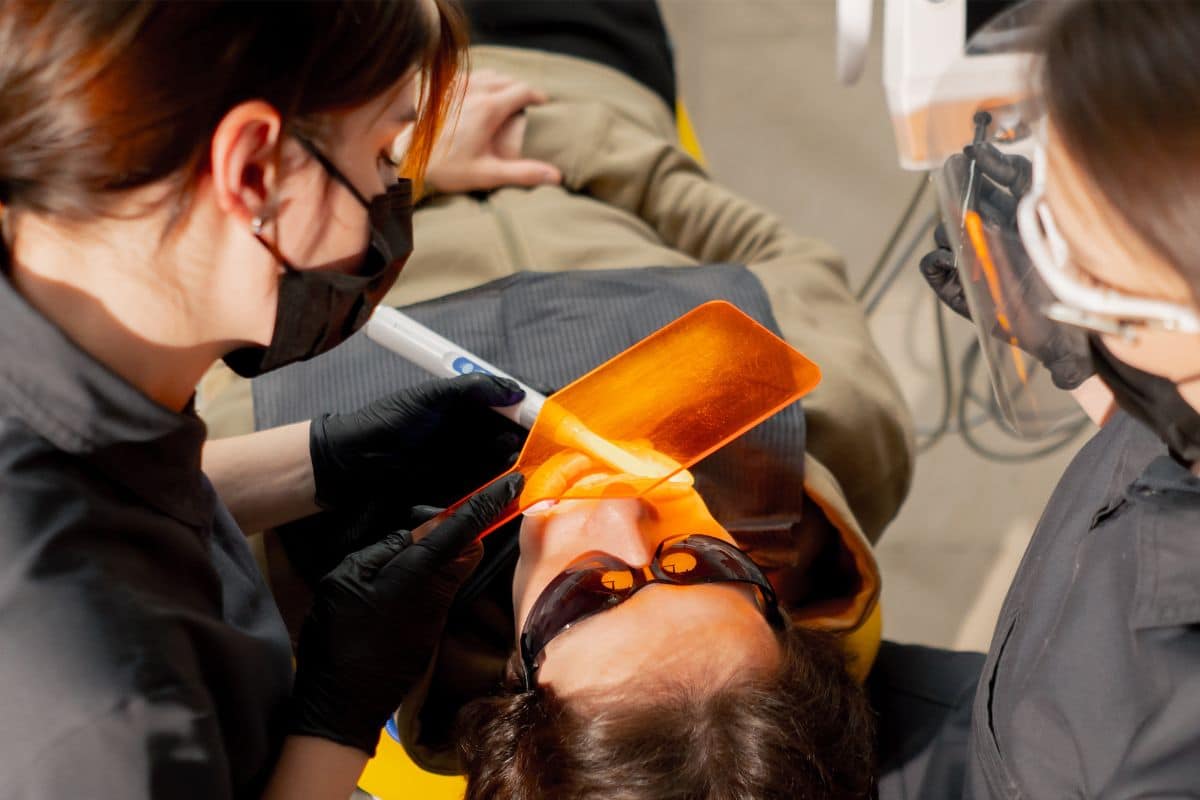
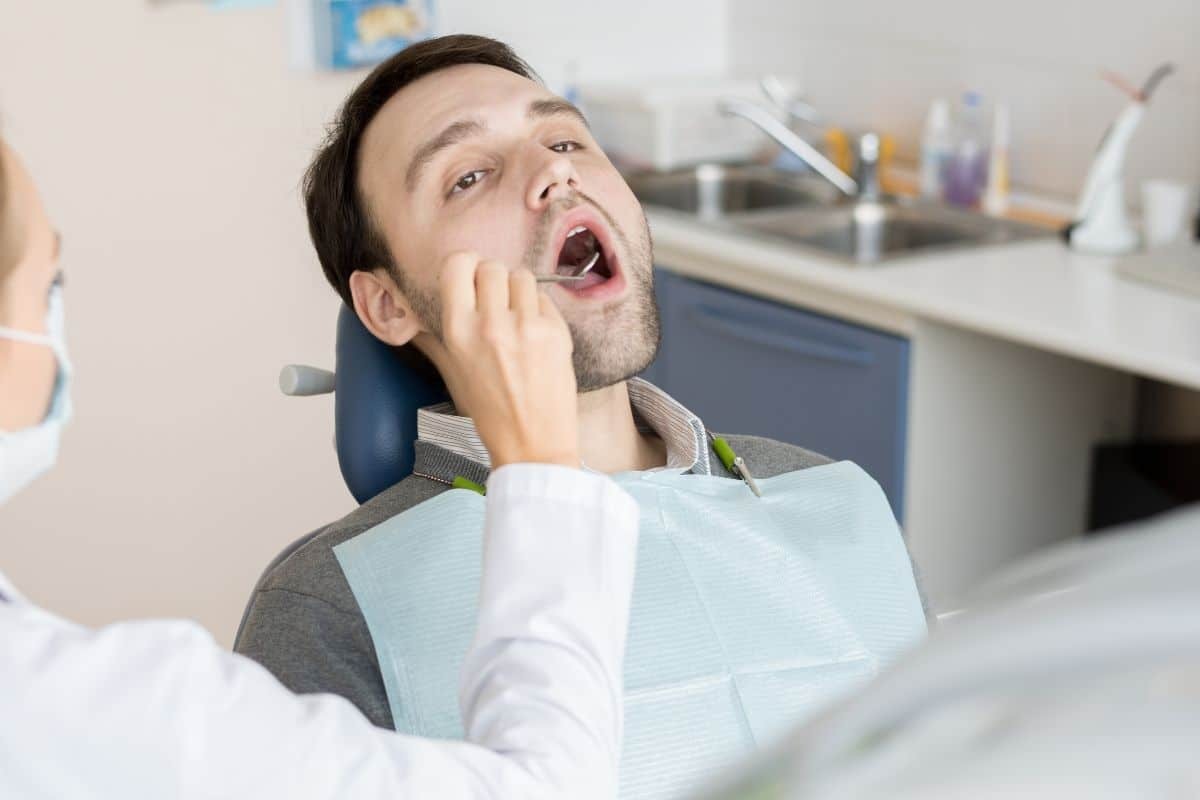
Your dentist checks your teeth, gums, and tongue. Low-dose digital X-rays can reveal decay or bone changes you cannot see. A professional cleaning then removes tartar and buildup that brushing and flossing cannot, including deposits along and just under the gumline.
Treating the Real Source
If decay is the cause, a tooth-colored filling can seal it. If an old crown is trapping food, restorative dentistry can replace it with a better fit. If gum disease is present, your dentist can recommend a plan to calm the infection.
Home Habits That Make a Real Difference
Between visits, these oral hygiene habits help most:
- Scrape or brush your tongue daily. Start at the back and work forward gently.
- Clean between your teeth every day. Use floss or small interdental brushes.
- Sip water through the day. It keeps saliva flowing.
- Go easy on alcohol-based mouthwash. Ask your dentist what fits your mouth.
- Replace your toothbrush every three to four months. Frayed bristles clean poorly.
- Keep your checkups. Most adults do well with a cleaning about every six months, or as your dentist advises.
Trusted Dental Care for Williamson and Mingo County Families
Jason Long & Associates Family Dentistry sits on West 3rd Avenue in the west end of Williamson. Dr. Jason Long opened the practice in 2009, and the team now cares for families from Williamson, Matewan, Kermit, and Delbarton, plus neighbors just across the state line in Eastern Kentucky.
Comfort and safety come first. The team uses low-dose digital X-rays and takes time to explain what they find. Bad breath is something dentists discuss every day, so there is nothing to be embarrassed about.
People Also Ask: Your Bad Breath Questions, Answered
1. Why does my breath smell right after I brush my teeth?
Brushing cleans tooth surfaces, but odor often comes from the tongue, the gums, or between the teeth. A coated tongue, gum disease, and dry mouth are the most common reasons. A dental exam can show which one applies to you.
2. Can gum disease cause bad breath even if my teeth look clean?
Yes. Gum disease starts below the gumline, where bacteria collect in small pockets. Your teeth can look fine while your gums stay inflamed.
3. What does a white coating on my tongue mean?
It is usually a buildup of bacteria, dead cells, and food debris. It is common and often tied to dry mouth or smoking. A gentle daily scrape helps. If it is thick, painful, or will not go away, have your dentist take a look.
4. Does mouthwash fix chronic bad breath?
Mouthwash can freshen breath briefly, but it does not remove the source. Strong alcohol rinses can also dry your mouth and make odor worse later.
5. How can I tell where my bad breath is coming from?
Lick the inside of your wrist, let it dry for a few seconds, then smell it. You can also smell your floss after using it. A strong odor points to the tongue or the spaces between teeth. A dentist can sort out the rest.
6. Can dry mouth cause bad breath, and what helps?
Yes. Saliva rinses away bacteria and food, so less saliva means more odor. Sip water often, chew sugar-free gum, and ask your dentist or doctor whether a medication could be the cause.
7. How often should I get a dental cleaning if I have bad breath?
Most adults do well with a cleaning about every six months. If you have gum disease or ongoing odor, your dentist may suggest visits more often.
8. When should I see a doctor instead of a dentist for bad breath?
Start with a dental exam to rule out common causes. If your mouth is healthy and the odor continues, or you also have heartburn or sinus pressure, talk with your physician. Seek care right away for facial swelling, fever, or trouble swallowing or breathing.
Fresh Breath Starts With Knowing the Cause
Bad breath after brushing can feel frustrating, but it is also one of the more fixable problems in dentistry. Once you know whether it is your tongue, your gums, a worn crown, or a dry mouth, the path forward gets simple.
You deserve to talk, laugh, and lean in close without a second thought. The team at Jason Long & Associates Family Dentistry is here to help. Schedule an appointment now!