Sliding Fee Discount Program Available

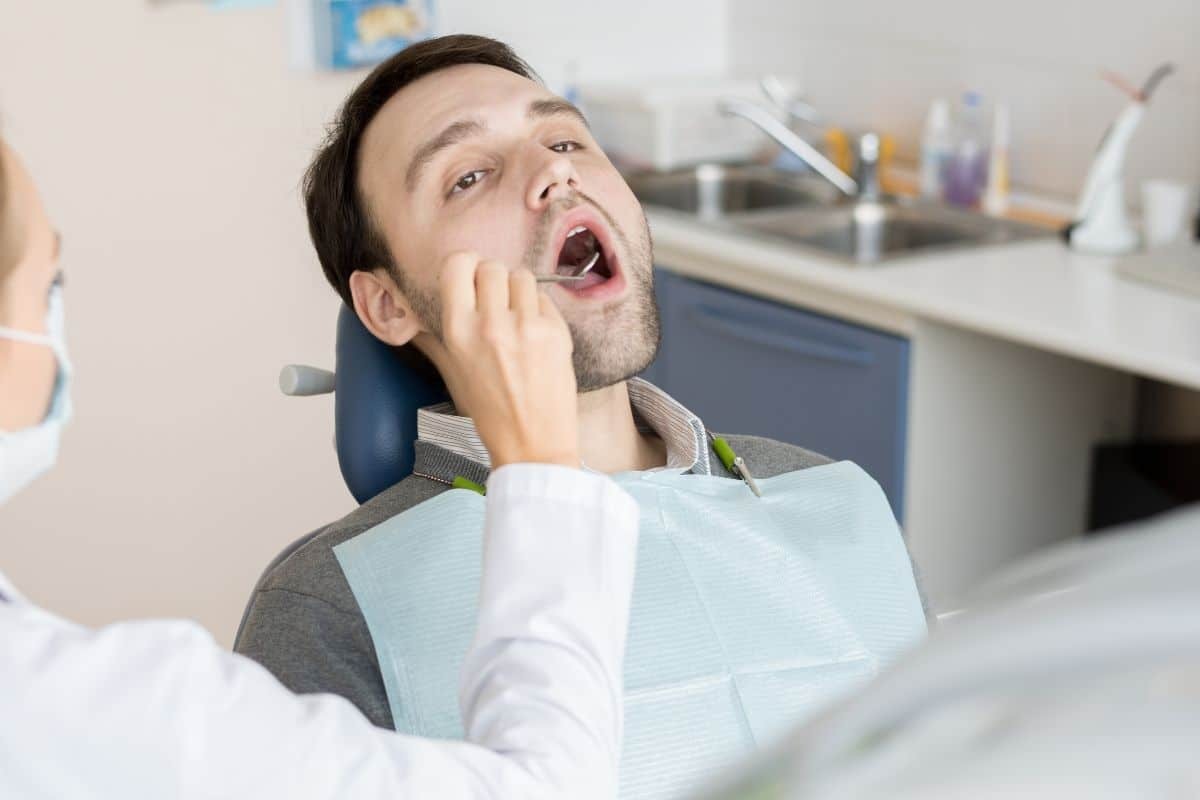
You brush your teeth. You floss. You feel fine. So why would you need a dental checkup?
Because dental problems before they hurt are more common than many people realize.
Tooth decay, gum disease, enamel damage, bite changes, and other oral health concerns can develop quietly. By the time you notice pain, the problem may already be more advanced than it was during its early stages.
That does not mean every painless dental finding requires immediate treatment. It means your dentist can sometimes spot changes early, monitor them, and determine what if anything needs to happen next.
For patients in Williamson and surrounding Southern West Virginia communities, routine dental visits can be an important part of staying ahead of problems instead of waiting for an uncomfortable surprise.
Myth: “If My Teeth Don’t Hurt, I Don’t Have a Dental Problem”
This is one of the most common misconceptions about oral health.
Pain is a symptom, not a complete dental screening tool.
Some dental conditions cause noticeable symptoms early. Others may remain quiet for months or even longer.
A dental professional can evaluate areas you cannot easily see or assess yourself, including spaces between teeth, gum tissue, bite alignment, enamel surfaces, and areas that may require dental X-rays for a closer look.
That is why a person can walk into a dental appointment feeling completely normal and still learn that something deserves attention.
What dentists may detect before pain appears
During a routine examination, a dentist may identify:
- Early signs of tooth decay
- Changes in enamel
- Gum inflammation or early gum disease
- Plaque and tartar buildup
- Areas that are difficult to clean
- Cracks or damaged tooth structure
- Changes in existing fillings or crowns
- Bite or tooth-position changes
- Signs of tooth wear from grinding or clenching
- Problems around previously treated teeth
- Areas that may need monitoring over time
Not every finding means you need treatment immediately. Sometimes the most appropriate next step is simply prevention or observation.
1. Tooth Decay Before It Causes a Toothache
Tooth decay does not always announce itself with pain.
In its earlier stages, decay can develop before you notice sensitivity, discomfort, or a visible hole in the tooth.
Your dentist may look for changes in the tooth surface and use dental X-rays when appropriate to evaluate areas that cannot be fully examined during a visual inspection.
Why early detection matters
When a dental problem is identified while it is still relatively limited, your dentist can discuss ways to manage it before it progresses.
That could involve improving oral hygiene, monitoring the area, strengthening preventive habits, or recommending restorative treatment when necessary.
The important point is simple:
Waiting for a toothache is not the same as catching a dental problem early.
2. Early Gum Disease Without Obvious Symptoms
Gum disease is another example of a condition that may develop quietly.
Early gum inflammation can involve redness, swelling, tenderness, or bleeding. But some people may not notice these changes, particularly if they have become accustomed to mild symptoms.
During a dental examination, your dentist can evaluate the appearance and condition of your gums and look for signs that deserve closer attention.
What can raise concern?
A dental professional may notice:
- Inflamed or swollen gum tissue
- Bleeding during examination
- Changes in gum attachment
- Gum recession
- Plaque and tartar accumulation
- Areas that are difficult to keep clean
The earlier a concern is recognized, the sooner you can discuss appropriate next steps for protecting your oral health.
3. Enamel Damage You May Not Notice
Your enamel is the hard outer layer protecting each tooth, but it is not indestructible.
Acid exposure, grinding, clenching, certain dietary habits, and normal wear can gradually affect tooth surfaces.
You might not feel anything while these changes are developing.
Your dentist, however, may recognize patterns of enamel wear that suggest your teeth are experiencing more stress than they should.
A useful distinction
| What you notice | What your dentist may evaluate |
| No pain | Tooth surface changes |
| Occasional sensitivity | Enamel wear or exposed dentin |
| Flattened tooth edges | Possible wear or grinding |
| Small chips | Tooth structure and bite |
| Jaw tension | Possible clenching or bite-related stress |
This does not mean every chip or worn surface indicates a serious condition. Your dentist considers the overall pattern, your history, and other findings before recommending what to do.
4. Cracks and Small Structural Changes
A cracked tooth does not always hurt immediately.
Sometimes a small structural change is discovered during a routine examination, especially when your dentist knows where to look based on your symptoms, bite, dental history, or visible tooth changes.
Other cracks may eventually cause sensitivity when biting or exposure to hot or cold foods.
The key is that dental issues before pain can still deserve attention.
A dentist may recommend monitoring a questionable area or discussing restorative options depending on its location, size, symptoms, and risk of further damage.
5. Changes Around Old Dental Work
A filling, crown, bridge, or other restoration can function well for years.
But that does not mean it should be ignored indefinitely.
During routine visits, your dentist can evaluate existing dental work and surrounding tooth structure for changes.
For example, an examination may identify:
- Wear around a restoration
- Changes in the surrounding tooth
- Plaque accumulation around difficult-to-clean margins
- Possible recurrent decay
- Damage or fracture
- Changes in how the restoration interacts with your bite
This is one reason regular checkups remain useful even when your teeth feel completely normal.
6. Bite Changes You May Not Realize Are Happening
Your bite is not something most people consciously monitor.
Small changes can happen gradually as teeth wear, shift, become damaged, or are affected by other oral health concerns.
You may simply adapt to the change without realizing it.
A dentist can assess how your upper and lower teeth come together and look for patterns that may contribute to uneven wear, tooth stress, or difficulty cleaning certain areas.
That does not mean every change in bite requires treatment. Instead, identifying a change gives you an opportunity to understand what is happening and decide whether monitoring or treatment makes sense.
7. Signs of Tooth Grinding or Clenching
You may grind or clench your teeth without knowing it particularly while sleeping.
Sometimes patients only discover the habit after a dentist notices signs of wear.
Possible clues include:
- Flattened biting surfaces
- Small chips
- Increased tooth wear
- Jaw muscle tenderness
- Tooth sensitivity
- Changes in bite
Not every worn tooth means someone grinds their teeth, so a dentist needs to consider the full clinical picture.
Still, identifying these patterns early can help start a conversation about protecting your teeth from additional wear.
Why Can Dentists Find Problems Before Patients Feel Them?
The biggest difference is that a dental examination is designed to look for changes not simply wait for symptoms.
You see your teeth every day, but usually from a limited perspective.
A dentist can examine your mouth systematically and combine several pieces of information, including:
- Your dental and medical history
- A visual examination
- Gum evaluation
- Bite assessment
- Previous dental findings
- Dental X-rays when indicated
- Changes compared with earlier visits
- Your symptoms and daily oral health habits
That comparison over time can be especially useful.
A small change that is difficult to notice at home may become much easier to recognize when your dentist has previous examinations for reference.
Does Finding a Problem Early Always Mean You Need Treatment?
No.
This is another important myth to clear up.
Early detection does not automatically mean drilling, filling, extracting, or undergoing another procedure.
Depending on the finding, your dentist may recommend:
- Improving a specific oral hygiene habit
- Making dietary changes
- Using preventive products
- Monitoring the area
- Taking updated X-rays when appropriate
- Scheduling a follow-up examination
- Treating the problem if progression or damage is present
The right approach depends on the individual situation.
The value of early detection is that it gives you more information and more opportunity to respond before a problem becomes urgent.
What Dentists Detect During Checkups That Patients May Miss
Here is a quick look at why routine examinations can uncover problems that are easy to overlook:
| Potential finding | Why you may not notice it | What a dentist evaluates |
| Early tooth decay | May cause no pain | Tooth surfaces and X-ray findings when indicated |
| Gum inflammation | Symptoms can be mild | Gum appearance and health |
| Enamel wear | Develops gradually | Tooth shape and surface changes |
| Tooth grinding | Often happens during sleep | Wear patterns and related signs |
| Small cracks | May not cause immediate symptoms | Tooth structure and clinical signs |
| Bite changes | You can adapt gradually | How teeth contact each other |
| Restoration changes | May feel normal | Condition of crowns, fillings, and surrounding teeth |
The goal is not to search for problems where none exist.
It is to identify meaningful changes while they can still be evaluated thoughtfully.
Why Routine Dental Visits Matter Even When You Feel Fine
Think of a dental checkup as maintenance rather than an emergency response.
You do not wait for your car to stop running before checking whether something is wearing out. Your mouth deserves similar attention.
Routine visits give a dental professional the opportunity to establish a baseline, compare changes over time, reinforce preventive habits, and address concerns before they become disruptive.
This can be particularly helpful if you have a history of cavities, gum problems, extensive dental work, tooth grinding, or other recurring concerns.
And if your examination shows everything looks healthy?
That is useful information, too.
Local Dental Care in Williamson: Why Consistency Matters
For families in Williamson and nearby communities, having an established dental office can make routine care easier to maintain.
Dr. Jason R. Long established his Williamson practice in 2009 after beginning his dental career in West Virginia and practicing in the region for several years. His office is located at 1628 West 3rd Avenue in Williamson and provides routine exams, cleanings, education, and a range of dental services. Call us to schedule an appointment!
The practice also notes the use of low-dose digital X-rays as part of its diagnostic approach.
Don’t Wait for Pain to Be Your First Warning Sign
Pain can be an important reason to seek dental care, but it should not be the only reason.
Some dental problems without symptoms can be identified during routine examinations before they become noticeable in everyday life. Early detection can give you time to understand the issue, consider your options, and take appropriate action.
If it has been a while since your last examination or if you have noticed a small change that you have been ignoring it may be worth having it checked.
Give Your Smile a Chance to Stay Ahead of Problems
You do not have to wait for a toothache to find out whether something needs attention.
Schedule a dental checkup with Dr. Jason R. Long in Williamson to discuss your oral health, ask questions, and learn whether any areas need monitoring or treatment.
Frequently Asked Questions
1. Can a dentist find a cavity before it starts hurting?
Yes. Tooth decay can develop without pain, particularly in its earlier stages. During an examination, a dentist may identify changes through a clinical evaluation and, when appropriate, dental X-rays. Early detection can help determine whether the area should be monitored, treated, or managed preventively.
2. What dental problems can happen without symptoms?
Examples can include early tooth decay, gum inflammation, enamel wear, some cracks, changes around existing dental restorations, and certain bite-related problems. Not every condition causes noticeable symptoms immediately, which is why routine dental examinations remain important.
3. How can dentists detect dental problems before pain?
Dentists use a combination of visual examination, gum evaluation, bite assessment, dental history, comparison with previous visits, and dental X-rays when indicated. These tools can reveal changes that may not be visible or noticeable at home.
4. Does painless tooth decay always need treatment?
Not necessarily. The appropriate response depends on the location, extent, progression, and overall risk associated with the finding. Your dentist may recommend prevention, monitoring, additional evaluation, or restorative treatment depending on the situation.
5. Can gum disease exist without pain?
Yes. Gum problems do not always cause significant discomfort in their early stages. Signs such as bleeding, swelling, redness, recession, or changes in gum health can provide important clues that deserve professional evaluation.
6. Can a dentist tell if I grind my teeth?
A dentist may notice patterns that are consistent with tooth grinding or clenching, such as flattened tooth surfaces, chips, or unusual wear. These signs do not automatically prove grinding, but they can prompt a discussion about possible causes and ways to protect your teeth.
7. How often should I have a dental checkup if my teeth feel fine?
The appropriate interval depends on your individual oral health, dental history, risk factors, and your dentist’s recommendations. Even people without symptoms can benefit from periodic examinations because some dental problems develop quietly.
8. Why is early detection important in dentistry?
Early detection can identify changes before they become painful or disruptive. It may allow you and your dentist to monitor a concern, improve preventive habits, or address a developing problem before it becomes more complicated. The appropriate next step depends on the individual finding.