Sliding Fee Discount Program Available

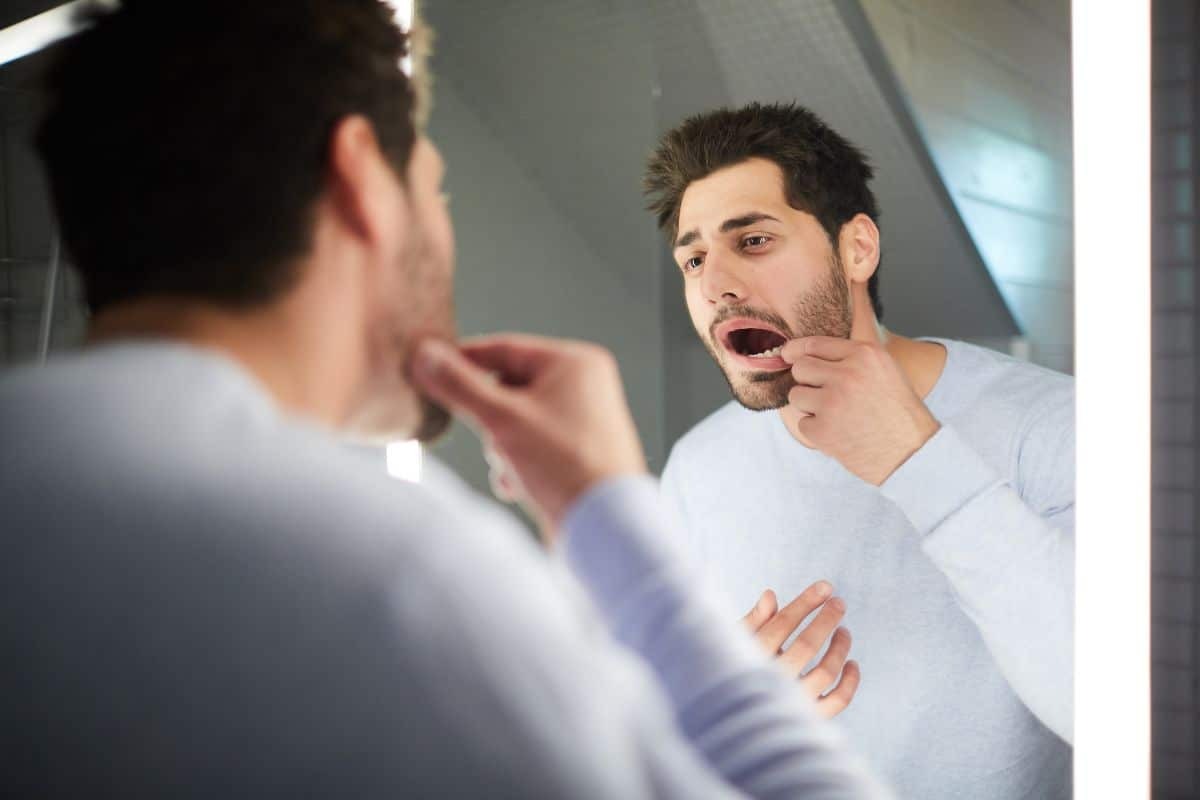
You’re getting ready for a big event, or maybe just scrolling through old photos, when you notice it: a few chalky white patches near the gumline of your front teeth. They weren’t there last year. Your teeth are clean. You brush every day. So why do these spots keep showing up and are they something to worry about?
If you’ve searched “white spots on teeth,” you’re not alone. It’s one of the most common questions patients bring up during checkups at Jason Long & Associates Family Dentistry in Williamson, WV. According to dental professionals, these chalky spots are often one of the earliest visible signs that your enamel is under stress. In many cases, the cause comes down to one overlooked daily habit most people never think twice about.
What Are White Spots on Teeth, Really?
| Quick Answer White spots on teeth are areas where the enamel has lost minerals faster than it can rebuild them. This process, called enamel demineralization, is often an early sign of tooth decay but it can also be caused by fluorosis or how the enamel formed years ago. |
Enamel is the hardest substance in your body, but it isn’t invincible. Every time you eat or drink something acidic or sugary, the bacteria in plaque produce acid that pulls minerals like calcium out of your enamel. Saliva and fluoride normally replace those minerals over time. When acid attacks happen faster than your enamel can recover, that spot loses density and starts to look chalky white instead of translucent.
The One Habit That’s Usually Behind It
The habit that shows up again and again in patient histories is sipping. Not one soda at lunch, but a bottle of flavored water, sports drink, or coffee with sugar that gets sipped slowly across the entire morning or afternoon. Each sip resets the acid attack on your enamel, so your teeth spend hours in a low-grade acidic environment instead of just a few minutes at mealtime. Brushing twice a day doesn’t undo that kind of constant, drawn-out exposure.
⭐⭐⭐⭐⭐ James Walls (RarrRarrRaptor)
Amazing, wonderful people. They had to fix something that was a problem for over 10+ years. I have no right demanding that from them, they took time out of their day to make sure I was well taken care of. For people that’s a little worried about doctors/dentists, give this place a shot, please.
Why Catching This Early Actually Matters
White spots aren’t just a cosmetic concern. They’re enamel telling you it’s under stress before a cavity ever forms. Left alone, that demineralized area can soften further, and eventually the surface breaks down into an actual cavity that needs a dental filling. Caught at the white-spot stage, though, the damage is often reversible, no drilling required.
Here’s why early attention pays off:
- Prevention is painless. Rebuilding enamel with fluoride and better habits doesn’t involve any drilling or numbing.
- It protects your smile long-term. White spots that progress to decay can eventually affect the tooth’s color and shape permanently.
- It’s often less expensive. A remineralization plan costs far less than restorative work down the road.
- It builds better habits early. Kids and teens with early white spots benefit most, since their enamel is still developing.
What Happens If White Spots Are Ignored
Not every white spot turns into a cavity, but ignoring one removes your best window for reversing it. Over time, ongoing acid exposure can turn a white spot into a brown or yellow spot as it progresses toward true decay. At that stage, the tooth usually needs a filling rather than a simple remineralization approach. In children, white spots that appear after braces are especially common, since brackets make it easier for plaque to hide along the gumline.
Types of White Spots at a Glance
Not all white spots come from the same cause, and the table below shows how they typically compare.
| Type of White Spot | Common Cause | Reversible? | Needs a Dentist? |
|---|---|---|---|
| Early Enamel Demineralization | Plaque buildup, acid exposure, poor brushing | Often, with early care | Yes — to confirm and monitor |
| Fluorosis | Too much fluoride during childhood tooth development | No, but cosmetic options exist | Optional — cosmetic evaluation |
| Enamel Hypoplasia | Enamel didn’t fully develop (genetics, illness, nutrition) | No | Yes — enamel may need protection |
| Post-Orthodontic Spots | Plaque trapped around braces brackets | Often, with early care | Yes — to prevent decay |
How a Dentist Can Help Reverse or Manage White Spots
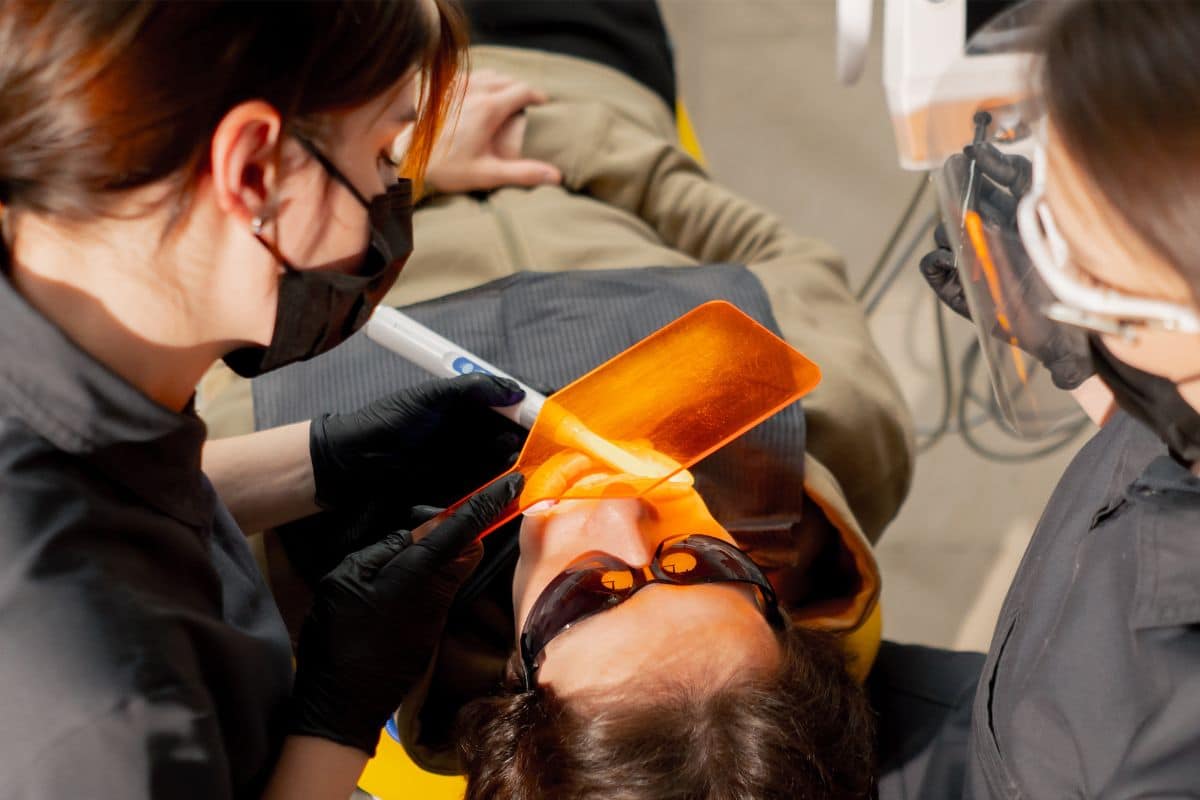
A dental exam is the only reliable way to know whether a white spot is early demineralization, fluorosis, or something else — and whether it can still be reversed. At Jason Long & Associates Family Dentistry, a checkup for white spots typically includes:
- A close visual and tactile exam to check whether the enamel surface is still intact.
- Professional fluoride treatment to help rebuild mineral density in the weakened area.
- A review of daily habits including drinks, snacking patterns, and brushing technique.
- Cosmetic options such as microabrasion or bonding for spots that are stable but visually noticeable.
For many patients, small changes- swapping sipping for drinking water with meals, using a fluoride toothpaste consistently, and keeping regular cleanings are enough to stop white spots from progressing.
| Notice White Spots on Your Teeth? Book a preventive exam with Dr. Jason Long and find out whether they can still be reversed. Call us to schedule your visit today! |
Frequently Asked Questions About White Spots on Teeth
1. Are white spots on teeth always a sign of decay?
Not always. White spots often indicate early enamel demineralization, which can be an early stage of tooth decay, but they may also result from fluorosis or developmental enamel defects. A dental examination is the best way to determine the underlying cause.
2. Can white spots on teeth go away on their own?
Very mild enamel demineralization may stabilize with improved oral hygiene and reduced acid exposure, but most white spots benefit from professional evaluation and treatment. Your dentist may recommend fluoride therapy or other remineralization techniques to help strengthen the enamel.
3. What foods and drinks can cause white spots on teeth?
Frequently sipping sugary or acidic beverages—such as sports drinks, sodas, sweetened coffee, and flavored water—can increase the risk of white spots. Repeated acid exposure prevents enamel from fully recovering between drinks.
4. Is enamel demineralization reversible?
Yes, if it’s caught early. Enamel demineralization can often be reversed with professional fluoride treatments, good oral hygiene, and reducing acidic or sugary foods and drinks. Once a cavity forms, however, the tooth typically requires restorative treatment such as a filling.
5. Why do white spots appear after braces are removed?
Braces can make it more difficult to clean around brackets, allowing plaque to build up. If plaque remains on the teeth for extended periods, the enamel can lose minerals and develop white spots. Proper brushing, flossing, and fluoride use during orthodontic treatment help reduce this risk.
6. Can toothpaste alone fix white spots on teeth?
Fluoride toothpaste supports enamel remineralization and helps prevent further damage, but it may not be enough to noticeably improve existing white spots. Your dentist may recommend professional fluoride treatments or cosmetic options depending on the cause and severity.
7. Are fluorosis-related white spots different from decay-related white spots?
Yes. Fluorosis develops when too much fluoride is consumed while permanent teeth are forming during childhood. Unlike decay-related white spots, fluorosis is not an active disease process and does not progress into cavities, though cosmetic treatment may be available if desired.
8. When should I see a dentist about white spots on my teeth?
You should schedule a dental appointment as soon as you notice new or changing white spots. Early evaluation gives your dentist the best opportunity to identify the cause, recommend appropriate treatment, and help prevent the spots from progressing into cavities.