Sliding Fee Discount Program Available

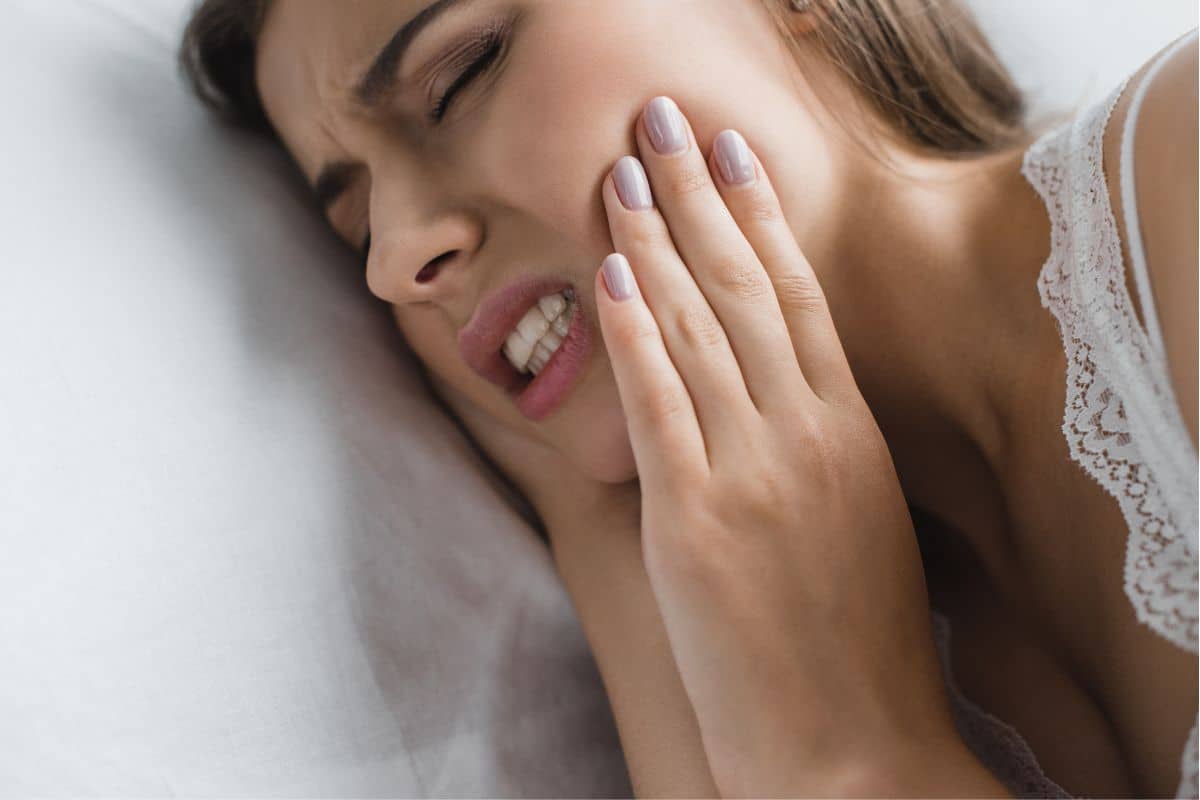
You take a bite of your favorite sandwich, and out of nowhere, one tooth sends a jolt of pain straight through your jaw. Not your whole mouth – just one tooth. It happens again on the next bite, and now you’re chewing on the other side just to get through lunch.
That kind of pinpoint pain isn’t random. Dental professionals often see this type of localized bite pain as a sign that something specific may be affecting the tooth—a crack too small to see, an infection developing underneath, or a bite that’s placing too much pressure on one area. In Williamson, patients bring this exact complaint to our office often, and it’s a symptom that deserves attention rather than a “wait and see” approach.
This guide walks through what’s likely happening, why ignoring it can turn a small fix into a bigger one, and what real treatment looks like – so you know what to expect before you ever sit in the chair.
Why One Tooth Hurts More Than the Rest When You Chew
When pain when chewing is limited to a single tooth, it usually means there’s damage or pressure concentrated at that exact spot – a crack in the enamel, decay reaching the nerve, a failing filling, or infection at the root. Sensitivity across many teeth points to different causes, like enamel wear or grinding.
General Sensitivity vs. Localized Bite Pain
General sensitivity — a quick zing from cold drinks or sweets that touches several teeth – usually traces back to worn enamel or gum recession. Bite pain that’s sharp, localized to one tooth, and triggered by pressure or its release points toward a structural problem in that specific tooth, which calls for a closer look.
| Did You Know? A cracked tooth often hurts only when you release the bite – not while you’re clamping down. Dentists call this “rebound pain,” and it’s one of the clearest early signs of a cracked tooth. |
What’s Really Going On Underneath
A handful of issues commonly explain single-tooth bite pain. Here’s what tends to be behind it, roughly in order of how often we see it in the Williamson office:
Cracked Tooth (Cracked Tooth Syndrome)
A hairline crack — often from chewing something hard, an old filling, or years of grinding — can flex under pressure and irritate the nerve inside. It’s notoriously hard to see on an X-ray and is usually diagnosed through a bite test.
Tooth Decay Reaching the Nerve
Cavities don’t always announce themselves early. Once decay reaches the inner layer of a tooth, pressure from chewing can push bacteria and irritation toward the nerve, causing pain that seems to appear “out of nowhere.”
Tooth Infection or Abscess
An infection at the root can cause throbbing pain that’s worse with pressure, along with swelling, tenderness, or a bad taste. This is one of the more urgent causes on this list and shouldn’t wait.
A Filling or Crown Sitting Too High
After restorative work, a filling or crown that’s even slightly too tall can take the brunt of your bite force before the rest of your teeth make contact. It’s a fast fix, but it needs to be addressed rather than lived with.
If you’ve also noticed changes in the appearance of your teeth, such as white spots, it may be worth looking at your everyday dental habits more closely. Learn more about what can cause white spots on teeth and the overlooked habits that may contribute to them.
Your daily brushing technique can also affect your gum health. If your gums bleed regularly when you brush, the cause may be related to how you brush rather than something you should simply ignore. Learn about the brushing habit that can contribute to bleeding gums and what you can do differently.
Here’s how these causes typically compare side by side:
| Likely Cause | What It Feels Like | How Urgent It Is |
|---|---|---|
| Cracked tooth | Sharp, sudden pain when you release the bite, not while clamping down | See a dentist within a few days |
| Tooth decay near the nerve | Dull ache that worsens with pressure or sweets | Schedule an exam soon |
| Tooth infection (abscess) | Throbbing pain, swelling, possible fever or bad taste | Seek care promptly |
| High filling or crown | Pain right after treatment, worse when biting down | Call your dentist for an adjustment |
| Bite misalignment | General discomfort while chewing, jaw fatigue | Schedule a routine exam |
| Gum recession | Sensitivity to pressure and hot or cold | Schedule a routine exam |
Why It Matters: What Happens If You Wait
It’s tempting to chew carefully on the other side and hope it resolves. In our experience, that rarely happens. Here’s what tends to unfold when single-tooth bite pain goes unaddressed:
- Infection can spread — Infection can spread beyond the tooth into the jawbone or bloodstream, turning a localized problem into a more serious one.
- A small crack can deepen — A treatable crack can deepen over time, sometimes past the point where the tooth can be saved with a crown.
- Pain tends to escalate — Pain tends to escalate, especially at night or with hot and cold foods, rather than staying mild indefinitely.
- Simple fixes become complex — Simple fixes become complex ones — what could have been a filling may become a root canal, and what could have been a root canal may become an extraction.
How We Diagnose and Treat Bite Pain
The Exam
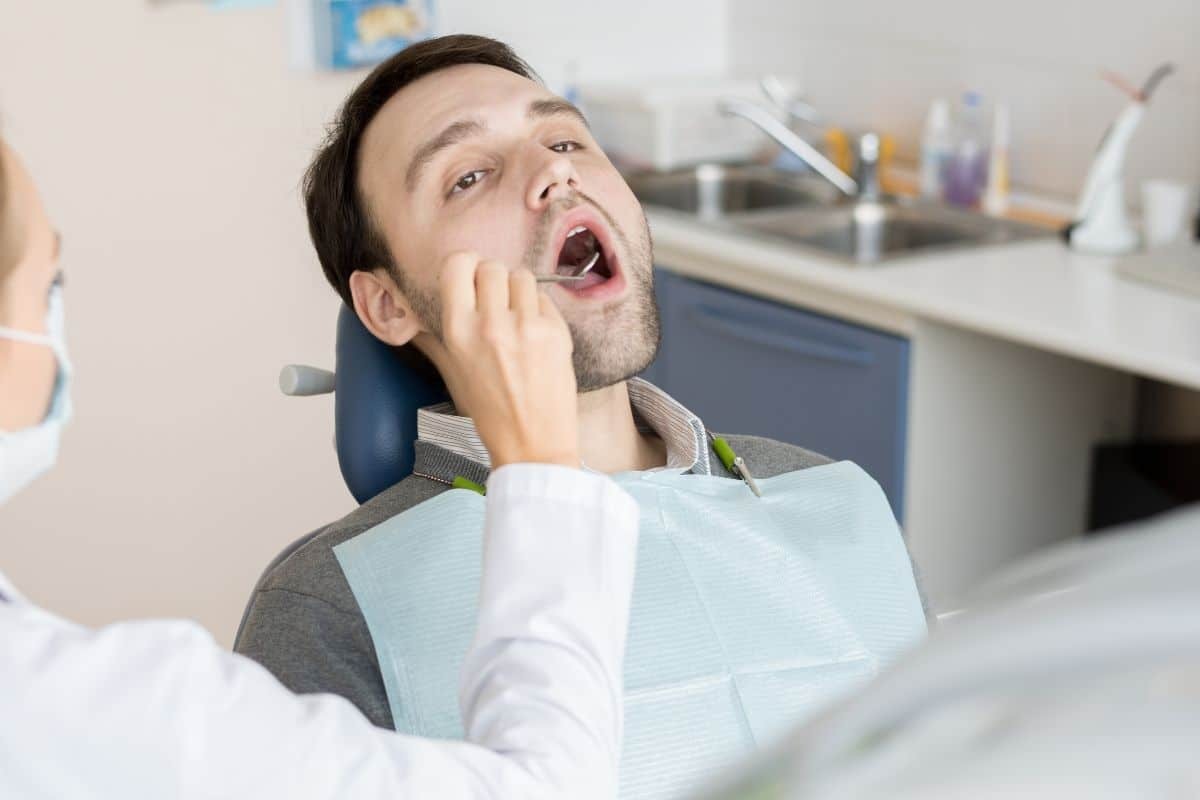
Diagnosing single-tooth pain starts with a bite test, a cold test, and a close visual exam, followed by a low-dose digital X-ray to check for decay, bone changes, or a fracture line. Because cracks are often invisible on X-ray, the bite test and your description of the pain matter just as much as the image.
The Fix
Treatment depends entirely on the cause. A high filling may need only a quick adjustment. Early decay might call for a tooth-colored filling. A deeper crack or infection may need a crown or root canal therapy to save the tooth, and in rare cases where the tooth can’t be saved, an extraction with a replacement option is discussed. The goal at every step is to treat the actual cause — not just quiet the symptom.
Local Care You Can Trust in Williamson
Jason Long & Associates Family Dentistry has treated patients throughout Williamson and the surrounding Southern West Virginia and Eastern Kentucky communities for years, and single-tooth bite pain is one of the most common reasons patients call asking to be seen quickly.
Meet Your Dentist

Dr. Jason Long is a native of Logan, West Virginia, and a graduate of the West Virginia University School of Dentistry. He opened his Williamson practice in 2009 after years of treating patients throughout Southern West Virginia and Eastern Kentucky, and he still sees single-tooth bite pain regularly – it’s one of the most common reasons patients call the office asking to be seen the same week. Dr. Meghan Greene, who trained at the University of Louisville, joins him in caring for patients of every age. Call us to schedule an appointment!
⭐⭐⭐⭐⭐ Rebekah Maynard
Amazing office very friendly and clean, the staff is the absolute best. I will forever be grateful for my smile.
| Don’t Wait for a Small Problem to Become a Big One If one tooth hurts when you bite down, the sooner it’s looked at, the simpler the fix usually is. Our Williamson team can typically get you in quickly to find out exactly what’s going on. Schedule an appointment! |
Frequently Asked Questions
1. Why does my tooth only hurt when I bite down, not all the time?
Pain that appears only under pressure can indicate a structural problem, such as a crack, loose filling, or area of decay that becomes irritated when you bite. An examination can help identify the exact cause.
2. Can a cavity cause pain only when chewing?
Yes. A cavity that has progressed into the inner layer of the tooth may cause pain when chewing, especially when pressure irritates the tooth’s sensitive inner tissues. Early evaluation can help prevent the decay from becoming more extensive.
3. Is it normal for a tooth to hurt after a filling when biting?
Mild sensitivity after a filling can be normal for a short time. However, if the tooth continues to hurt or feels painful when you bite down, the filling may be slightly too high and may need a simple adjustment. Contact your dentist if the discomfort persists or worsens.
4. How do I know if my tooth pain is from a crack or an infection?
A cracked tooth often causes sharp pain when biting or releasing your bite, while an infection may cause persistent or throbbing pain, swelling, tenderness, a bad taste, or fever. Because symptoms can overlap, a dental examination and appropriate imaging are often needed to determine the cause.
5. Can bite alignment cause one tooth to hurt when chewing?
Yes. If your bite places excessive pressure on one tooth, it can become sore or uncomfortable when chewing. Changes in tooth position, a missing tooth, or clenching and grinding can sometimes contribute to uneven bite pressure.
6. What happens if I ignore a tooth that hurts when I bite down?
Ignoring bite-related tooth pain can allow an underlying problem such as a crack, decay, or infection to progress. A condition that might initially require a simple treatment could eventually require more extensive care, including root canal treatment or extraction.
7. Will tooth pain when biting go away on its own?
It may temporarily improve, but that does not necessarily mean the underlying problem has healed. Cracks, decay, and dental infections generally require professional evaluation and treatment. If pain continues or returns when you chew, schedule a dental examination.
8. When should I see an emergency dentist for tooth pain?
Seek prompt dental care if tooth pain is accompanied by facial or gum swelling, fever, severe or worsening pain, difficulty swallowing or breathing, or other signs of infection. These symptoms can indicate a more serious dental problem that requires urgent attention.